
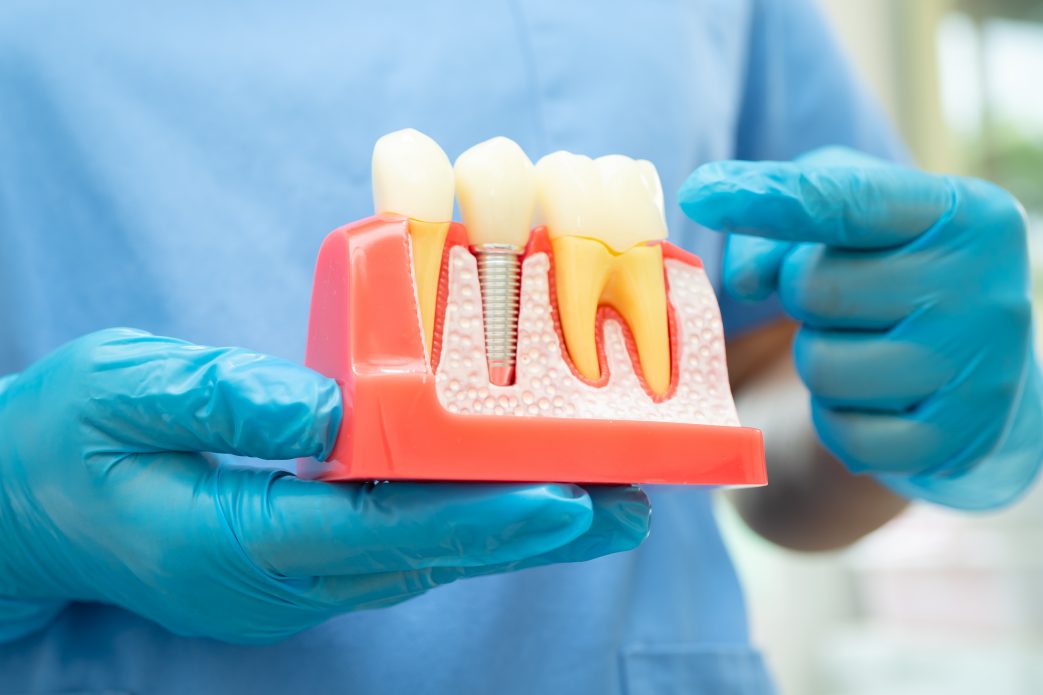
Dental implants are one of the most reliable and natural-looking ways to replace missing teeth. But if you’ve been told you have bone loss in your jaw, you may be wondering whether implants are still an option. The good news is that bone loss does not automatically disqualify you from getting dental implants. In many cases, modern dentistry offers effective solutions that make implants possible even with reduced bone density.
Understanding Bone Loss in the Jaw
Bone loss typically occurs when a tooth has been missing for a long time. Without the stimulation provided by a tooth root, the jawbone begins to shrink and weaken over time. Gum disease, trauma, and long-term denture use can also contribute to bone loss. Unfortunately, this process often goes unnoticed until a patient seeks tooth replacement options.
Dental implants rely on a strong foundation. The implant post must fuse with the jawbone through a process called osseointegration. When there isn’t enough healthy bone, additional steps may be needed to ensure long-term success.
Is Bone Loss a Deal Breaker for Dental Implants?
Not at all. While sufficient bone is important, advances in dental technology now allow many patients with bone loss to still receive implants. The key is a thorough evaluation. At Desert Ridge Dental, this typically includes digital imaging and a comprehensive exam to assess bone volume, density, and overall oral health.
Based on these findings, your dentist may recommend one of several treatment options designed to rebuild or work around areas of bone loss.
Options for Dental Implants When Bone Loss Is Present
Bone Grafting
Bone grafting is one of the most common solutions for patients with jawbone loss. This procedure involves placing bone material—either natural or synthetic—into areas where bone is lacking. Over time, the graft integrates with your existing bone, creating a stronger foundation for dental implants. Healing can take several months, but it significantly improves implant success rates.
Sinus Lifts
For patients missing upper back teeth, bone loss may affect the sinus area. A sinus lift gently raises the sinus membrane and adds bone beneath it, increasing the amount of bone available for implants in the upper jaw.
Short or Narrow Implants
In some cases, specialized implants designed for areas with limited bone can be used. These implants may be shorter or narrower while still providing excellent stability and function.
All-on-4 or Full-Arch Implant Solutions
For patients with more advanced bone loss, full-arch implant techniques may be an option. These systems use strategically angled implants that maximize existing bone, often eliminating the need for extensive grafting.
Why Early Evaluation Matters
The sooner missing teeth are addressed, the more options you’ll have. Delaying treatment allows bone loss to progress, which can increase the complexity of care. If you’ve been missing teeth for years, it doesn’t mean implants are off the table—but it does mean a customized approach is essential.
Are Dental Implants Worth It with Bone Loss?
For many patients, absolutely. Dental implants help preserve jawbone, restore bite strength, improve speech, and prevent neighboring teeth from shifting. Once placed, implants also help stop further bone deterioration by stimulating the jaw during chewing—something dentures and bridges cannot do.
Take the Next Step at Desert Ridge Dental
If you’ve been told you have bone loss or are unsure whether dental implants are right for you, the best next step is a professional evaluation. At Desert Ridge Dental, we take a personalized approach to implant dentistry, using advanced imaging and modern techniques to determine the safest and most effective solution for your smile.
Bone loss doesn’t have to mean living without a confident, functional smile. With the right treatment plan, dental implants may still be well within reach. Contact us today.