Preparing for & Recovering from Sedation Dentistry

A Step-by-Step Guide from Desert Ridge Dental in Albuquerque, NM

At Desert Ridge Dental, we believe that going to the dentist should never feel overwhelming or scary—especially if you’re someone who has avoided dental care due to anxiety, past trauma, or sensory sensitivities. That’s why we offer customized [ sedation dentistry ] options tailored to each patient’s comfort and health needs.

Whether you’re preparing for a routine treatment or a complex procedure, this guide will walk you through everything you need to know about [ preparing for sedation ] and recovering comfortably afterward. If you’re considering sedation dentistry in Albuquerque, you’re in the right place.

Why Preparation & Recovery Matter

Sedation dentistry is extremely safe when done properly, but proper preparation and recovery are essential to:

  • Ensure your body responds well to sedation 
  • Minimize potential side effects 
  • Promote healing and reduce downtime 
  • Keep you comfortable and informed every step of the way 

Different forms of sedation—such as [ nitrous oxide, oral sedation ] , and [ IV sedation] require different levels of planning and aftercare.
Before Your Appointment:
How to Prepare for Sedation Dentistry

Before your sedation appointment, you’ll meet with our team to review:

  • Your medical history (including any heart conditions, diabetes, or sleep apnea)
  • Any medications or supplements you’re currently taking
  • Past experiences with sedation or anesthesia
  • The type of procedure you’re scheduled for

This consultation helps us determine the safest and most effective sedation plan for your needs. Be honest and thorough—every detail helps.

If you’re receiving oral or IV sedation, you’ll likely be instructed to:

  • Avoid food for 6–8 hours before your procedure


  • Avoid liquids for 2–4 hours, unless otherwise directed


These fasting guidelines help reduce the risk of nausea or complications during sedation.

For nitrous oxide, fasting may not be necessary. In some cases, we recommend eating a light meal a few hours before your visit—but avoid anything greasy or heavy.

Before your sedation appointment, you’ll meet with our team to review:

  • Your medical history (including any heart conditions, diabetes, or sleep apnea)
  • Any medications or supplements you’re currently taking
  • Past experiences with sedation or anesthesia
  • The type of procedure you’re scheduled for

This consultation helps us determine the safest and most effective sedation plan for your needs. Be honest and thorough—every detail helps.

Dress in loose, comfortable layers for your visit. You may feel cold under sedation, so wearing a light jacket or sweater can help. Avoid:

  • Tight sleeves (especially for IV access)


  • Jewelry, makeup, or contact lenses


  • Nail polish (which may interfere with oxygen monitoring)

If you’re undergoing oral or IV sedation, you cannot drive yourself home. Please:

  • Arrange for a trusted adult to drive you to and from the appointment
  • Have someone stay with you for several hours after your procedure to ensure you’re safe and supported as the sedation wears off

Patients receiving nitrous oxide can usually drive themselves home, but we’ll confirm with you on a case-by-case basis.

If you take daily medications (such as blood pressure medicine), we’ll let you know if you should take them the morning of your appointment. Never stop medication without direction from your physician or our office.

Avoid alcohol, recreational drugs, or any unapproved sedatives for at least 24 hours before your procedure.

During Your Appointment: What to Expect

1. Check-In and Sedation Setup

Upon arrival, we’ll review your health information one final time, check your vital signs, and begin the sedation process:

  • Nitrous Oxide: A small nose mask will deliver the gas—you’ll feel calm within minutes. You’ll remain fully awake and responsive during the procedure, but in a deeply relaxed state. The effects wear off quickly after the mask is removed, allowing most patients to drive themselves home.
  • Oral Sedation: You’ll take the prescribed pill 30–60 minutes before the procedure. This medication helps reduce anxiety and may cause drowsiness, so you might feel like you’re dreaming through the appointment. Because the sedative can linger for several hours, you’ll need someone to drive you home and monitor you afterward.
  • IV Sedation: A small IV will be inserted into your arm or hand to deliver medication. This allows your dentist to adjust the sedation level in real-time for maximum comfort and safety. You may fall into a “twilight sleep,” remembering little to nothing about the procedure once it’s complete.

You’ll be closely monitored throughout the procedure, including your heart rate, oxygen level, and blood pressure.
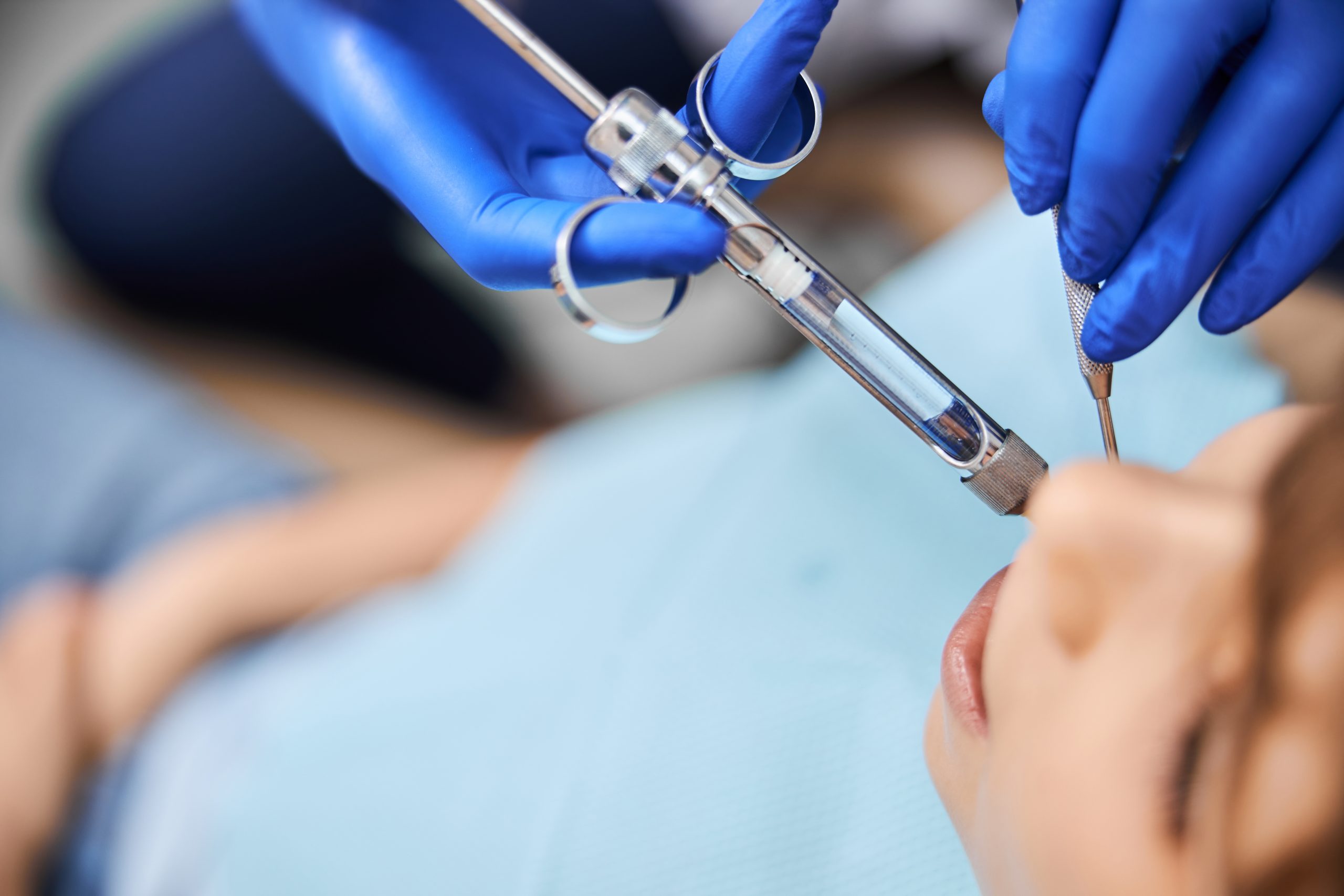
Close-up photo of a medical syringe for dental extraction in dentists hands

2. Your Experience During Sedation

You’ll feel deeply relaxed—perhaps sleepy or even unaware of the procedure happening. Depending on your sedation type, you may:

  • Remain awake but feel detached or carefree
  • Drift into a “twilight sleep”
  • Have little or no memory of the procedure afterward

Regardless of the sedation level, our team will talk with you throughout to ensure your comfort and safety.

After Your Appointment: Recovery & Aftercare

Once your procedure is complete, your recovery begins—both in the office and at home. Here’s what to expect for each sedation type:

Nitrous Oxide (Laughing Gas) Recovery

  • Wears off quickly—you’ll breathe pure oxygen afterward to help clear the gas. This helps you feel back to normal in just a few minutes. Most patients feel refreshed and alert soon after leaving the chair.

  • Most patients can drive home and resume daily activities. Because there are no lingering sedative effects, it’s safe for most to return to work or errands. Still, listen to your body if you feel off, take it easy.

  • Mild side effects (if any) include light-headedness, fatigue, or dry mouth. These usually resolve quickly and don’t require treatment. Drinking water or sucking on sugar-free candy can help if your mouth feels dry.

Recovery Tips

  • Drink water to stay hydrated. Hydration helps your body clear any remaining nitrous and supports your overall recovery. Aim for a few glasses of water throughout the day.
  • Eat a light meal afterwards. Hydration helps your body clear any remaining nitrous and supports your overall recovery. Aim for a few glasses of water throughout the day.
  • Take it easy for the rest of the day if you feel tired. If you feel slightly foggy or tired, consider taking a short nap. Everyone reacts differently, so don’t push yourself if you need to rest.

Oral Conscious Sedation Recovery

  • You’ll likely feel groggy or drowsy for several hours. The sedative stays in your system longer, so don’t be surprised if you need a long nap. Avoid screen time or anything that requires focus.

  • You may have little memory of the procedure. This is completely normal and one of the intended effects. Most patients find this memory “gap” reassuring rather than concerning.

  • Avoid driving, decision-making, or strenuous activity for 24 hours. Even if you feel “fine,” your reaction time and judgment may still be impaired. It’s best to stay home and avoid any responsibility that requires focus.

Recovery Tips

  • Rest in a quiet place at home with someone nearby. Have a trusted adult keep an eye on you for the rest of the day. Set up your space with water, a cozy blanket, and anything else you might need.
  • Drink water or electrolyte fluids. Sedatives can cause mild dehydration, so fluids will help flush the medication. Try sipping slowly over the course of the afternoon.
  • Eat bland, soft foods once you feel ready (e.g., toast, oatmeal, broth). Stick to gentle foods to avoid upsetting your stomach. Steer clear of anything hot, crunchy, or spicy until the numbness has fully worn off.
  • Avoid alcohol, caffeine, or new medications unless cleared by our team. These substances can interfere with your recovery or react with the sedative. If you’re unsure about a medication, call our office first.

IV Sedation Recovery

  • Deeper sedation = longer recovery window (6–12+ hours). You may feel out of it for most of the day, and that’s completely normal. Don’t make any plans that require alertness until the next day.

  • Most patients sleep much of the day afterward. Your body needs this rest to fully recover from the sedative. Arrange your schedule so you can relax without interruption.

  • Full alertness may take until the next day. While most of the fogginess fades by morning, give yourself time to feel 100% again. Everyone’s metabolism and response to sedation are different.

Recovery Tips

  • Avoid stairs or activities that require balance for 24 hours. Dizziness and slow reaction time increase fall risk. Have someone assist you if you need to go up or down stairs.
  • Use extra pillows if lying flat feels uncomfortable. Keeping your head elevated can ease discomfort and help you breathe easier. This is especially useful if you had oral surgery or feel congested.
  • Take any prescribed medication (e.g., antibiotics or pain relievers) as directed. Follow the dosage schedule exactly even if you feel okay. Preventing infection and managing pain is key to a smooth recovery.
  • Resume normal oral hygiene only when numbness and drowsiness wear off. Be gentle and avoid brushing near surgical sites if applicable. A saltwater rinse may be suggested as an alternative the first day.

Monitor for Any Side Effects

Most sedation side effects are mild and temporary. Let us know if you experience:

  • Nausea or vomiting lasting more than a few hours. This could indicate a sensitivity to the sedative and may require anti-nausea medication.
  • Fever, chills, or signs of infection. Any symptoms like this should be reported immediately. They could signal a complication from the procedure, not the sedation itself.
  • Dizziness or confusion that doesn’t improve after resting. While short-term grogginess is expected, lingering confusion may need follow-up. It’s better to call and get peace of mind.
  • Excessive bleeding or swelling from the treatment site. Some swelling is normal, but it shouldn’t worsen after 48 hours. Keep an eye on the area and reach out if something doesn’t feel right.

You can call our office anytime with concerns after your appointment.

Recovery Timeline at a Glance

Timeframe What to Expect
0–2 hours
Drowsiness, numbness, minimal talking or movemen
2–6 hours
Grogginess fades; resume small meals and liquids
6–12 hours
Increased alertness; rest recommended
24+ hours
Full recovery for most patients (except in complex cases)

When to Call Desert Ridge Dental

Don’t hesitate to contact our Albuquerque office if :

  • Pain worsens instead of improving
  • Bleeding lasts more than 24 hours
  • You feel unusually confused or disoriented
  • You’re unsure about medications or aftercare instructions

Your safety doesn’t end when you leave our office—we’re here to support your entire recovery process.
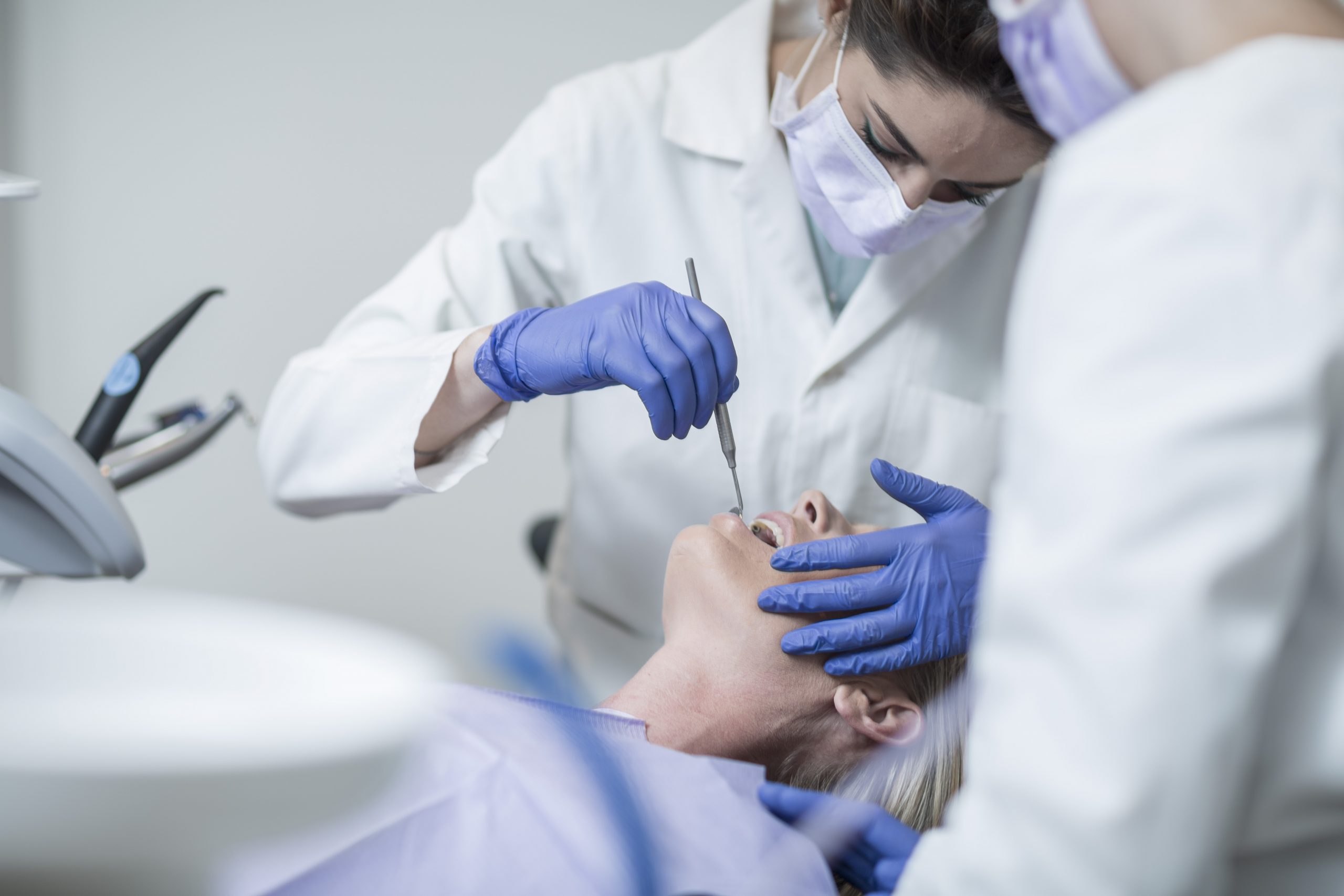
Female dentist examining patient with mouth mirror

Personalized Support for Every Patient

At Desert Ridge Dental, we know that every patient’s needs are different—especially when it comes to sedation. That’s why we take the time to explain your options, answer your questions, and review your full health history before your appointment.

You’ll receive clear, personalized instructions to help you prepare and recover comfortably. After your procedure, we’re here to check in, offer guidance, and ensure everything is going smoothly.

From your first consultation to follow-up care, our team is dedicated to providing a calm, supportive experience for patients across Albuquerque, Rio Rancho, and beyond.
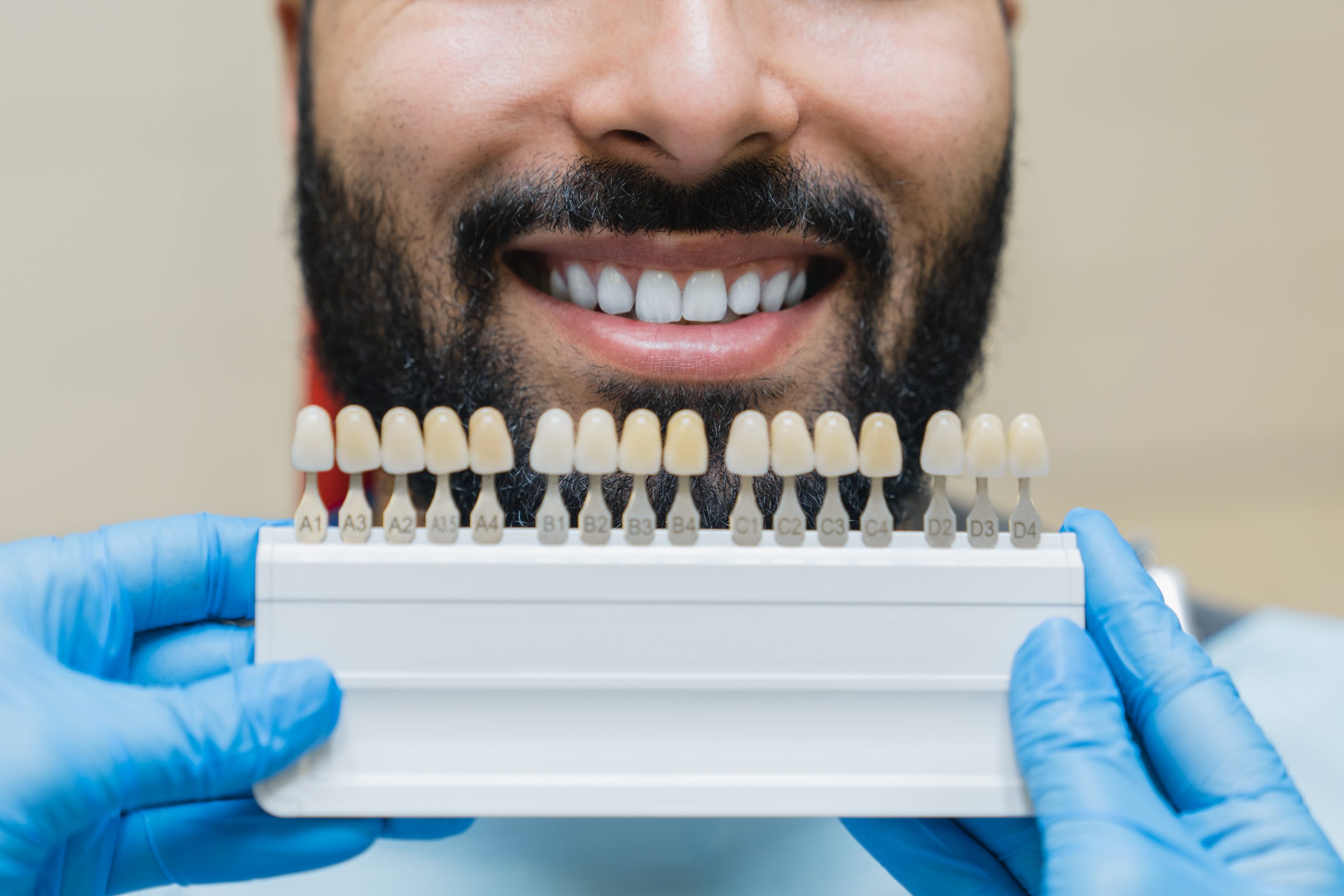
Grouping of veneers being held up to man's mouth to match color.

FAQs About Sedation Recovery

Will I remember the procedure?

Most patients under oral or IV sedation have little to no memory. Nitrous oxide allows full awareness during the procedure. The level of recall can vary slightly from person to person, but most describe the experience as peaceful and stress-free.

Yes—after the numbness and drowsiness subside, start with soft foods. Avoid alcohol and caffeine for at least 24 hours. Stick to mild, easy-to-digest options at first to avoid irritating the treated areas.

Nitrous oxide patients can often return the same day. With oral or IV sedation, plan for a full day of rest. Most patients return to work the next day. Be sure to follow your dentist’s guidance, especially if your procedure involves additional recovery needs like oral surgery.

You may feel a little “off” or tired but generally should return to normal within 24 hours. If symptoms persist, contact our team. Most patients report feeling surprisingly refreshed and relieved once the anxiety of the procedure is behind them.

Feel Confident About Sedation Dentistry

Preparing for and recovering from sedation dentistry doesn’t have to be stressful. With proper guidance, thoughtful planning, and support from the caring team at Desert Ridge Dental, your experience can be smooth, comfortable, and even empowering.

Whether you’re tackling anxiety, a sensitive gag reflex, or a more involved dental procedure, we’re here to make your visit easy from beginning to end. Contact us today!